
Selling products online has become easier and more profitable than ever. Learning how to sell products on Amazon in 2025 is one of the best ways for entrepreneurs and small businesses to build a scalable online income. With millions of active buyers searching for products every day on Amazon, sellers now have access to a global marketplace with powerful fulfillment, advertising, and analytics tools.
However, beginners often find the process confusing at first. From creating a seller account to optimizing product listings and running Amazon ads, there are several important steps involved. In this guide, Markzmania Digital Marketing Agency explains how to sell products on Amazon step-by-step in 2025, including product research, listing optimization, and strategies to increase sales.
Why List Your Products on Amazon?
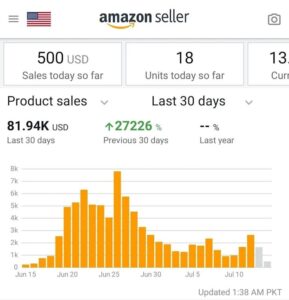
- It’s important to understand why so many companies decide to sell on Amazon before getting into the specifics of how to sell things there. With millions of users looking for products every day, Amazon is one of the biggest e-commerce sites in the world. The following are some reasons for thinking about selling on Amazon:
- Huge Customer Reach: You have immediate access to millions of potential customers anywhere in the world thanks to Amazon’s global audience.
- Built-in Trust: Customers have faith in Amazon’s customer support, product reviews, and payment system, which can increase sales.
- Fulfilment Options: Amazon FBA (Fulfilment by Amazon) relieves you of the burden of product shipping, packing, and storage.
Today, millions of businesses use Amazon to reach customers worldwide. With powerful logistics, advertising tools, and a trusted payment system, Amazon allows even small businesses to compete with large brands in the e-commerce marketplace.
Step 1: Create an account as an Amazon seller

- Setting up your seller account is the first step in learning how to sell goods on Amazon. You have a choice between two primary account types:
- For sellers who want to market fewer than 40 products each month, the Individual Seller Account is ideal. Amazon takes a modest fee for each item sold, but there isn’t a monthly cost.
- For individuals who plan on selling over 40 goods each month, the Professional Seller Account is the best option. More selling options, such as bulk listing, reporting tools, and access to Amazon’s advertising services, are available with this account, which has a monthly subscription.
After deciding which account type is best for you, take the following actions:
- Register: Go to Seller Central on Amazon and select “Register Now.” Basic facts about your company and bank account information will be required.
- Select Your Selling Strategy: As previously stated, depending on your sales objectives, select either the professional or individual plan.
- Create a Profile: Give further details about your company, such as your business address and tax identity number.
Step 2: Selecting Your Product Niche
It’s time to choose the things you wish to offer now that you understand how to sell products on Amazon. Product research is essential for Amazon success. Here’s how to limit your options:
- Investigate Demand: Look out goods with a strong demand but little competition. You can find profitable product customers and research industry trends with the use of tools like Helium 10 and Jungle Scout. Many sellers also rely on advanced product research tools such as Helium 10 and Jungle Scout to identify profitable niches, analyze competitors, and estimate product demand before launching new products on Amazon.
- Verify Amazon’s limitations: Verify that there are no restrictions or additional certifications needed for the product category you wish to enter.
- Profitability Analysis: Determine the possible profitability by taking manufacturing expenses, shipping costs, and Amazon fees into account. You can use tools such as Amazon’s FBA Calculator to figure out your margin.

- Select a Niche: To reach a certain audience, think about focused on a particular niche. It can be simpler to stand out and draw in loyal customers if you specialise on specific item.
Step 3: Create Optimized Product Listings
Making an attractive product listing that will draw customers is the next stage in how to sell product on Amazon. To turn visitors into buyers, a listing must be excellent. The following are critical elements of a product listing on Amazon:
- Product Title: The title must include relevant search terms that potential consumers may use to find your product as well as a clear description of it. Make sure it’s detailed and optimised for Amazon’s search algorithm, but stay clear of loading it with keywords.
- Product Photos: Your listing needs to have high-quality photos. Make use of crisp, expert photos that highlight the advantages of your product and present it from different angles.
- Product explanation: Compose a thorough explanation of the product that highlights its features, advantages, and applications. Make answering any queries and resolving any issues that customers may be experiencing.
- For a simple reading, list the key elements of the product in bullet points. These should to draw attention to the key features of your offering.
- Terms: Find relevant terms that buyers are using by conducting keyword research. Make use of these keywords in the backend search terms, product description, and title.
- Pricing: Consider your pricing carefully. Competitive price can help you draw in more clients, but you don’t want to discount your products. To remain competitive, think about using Amazon’s automatic pricing solutions.
Step 4: Using Fulfilment with Amazon FBA
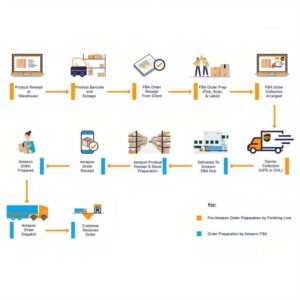
Amazon FBA, or Fulfilment by Amazon, is one of the most popular fulfilment choices for merchants. With FBA, you may focus on expanding your company while having Amazon take care of shipping, packing, and storage. This is how FBA operates:
- Deliver Your Goods to Amazon: Your goods are shipped to Amazon’s fulfilment centres, where they are held until they are sold.
- Amazon Manages Shipping: Amazon selects, packages, and sends your product to customers upon their order.
- Customer service: For FBA orders, Amazon also manages returns and customer service
In addition to helping you get Amazon Prime, which is a big selling factor for many customers, using FBA can save you time and money on logistics.
Step 5: Promote Your Items on Amazon
Driving traffic to your listings is the next challenge after learning how to sell products on Amazon. Even the best listings will have trouble converting without traffic. Here are some successful marketing techniques:
- Paid Ads on Amazon
Paid Products, Paid Brands, and Paid Display ads are just a few of the advertising choices that Amazon provides. You may increase the number of potential buyers who see your products by using these pay-per-click advertisements. To make sure that the most relevant audience sees your advertisements, you can target particular keywords, product categories, or customer interests.
- Search Engine Optimisation (SEO) on Amazon
Similar to Google, search engine optimisation is essential for exposure on Amazon. Make an effort to use suitable terms to optimise your backend search words, titles, and descriptions. Positive reviews on a regular basis might also raise your product’s position in search results.
- Offers & Savings
You may increase your visibility and draw in more customers by running specials like Lightning Deals, Best Deals, or coupons. Discounts are popular with customers, and Amazon regularly advertises them on its homepage or deal pages.
- Make Use of Influencers and Social Media
Use social media marketing to advertise your Amazon listings outside of the site. You can increase traffic to your listings by working with influencers in your niche or by placing targeted advertisements on social media sites like Facebook and Instagram.
-
Use Amazon PPC Advertising to Boost Sales
Amazon Pay-Per-Click (PPC) advertising is one of the fastest ways to increase product visibility. Sellers can run Sponsored Product, Sponsored Brand, and Sponsored Display ads to appear at the top of search results.
By targeting relevant keywords and optimizing ad campaigns regularly, sellers can drive more traffic to their listings and increase conversions. Many successful sellers rely on Amazon PPC as a core growth strategy.
Step 6: Running Your Company
You must monitor your performance, inventory, and sales when you begin selling on Amazon. The following advice can help you run your Amazon business:
- Keep an eye on sales metrics: Track your earnings, sales, and customer reviews using Amazon Seller Central. You can find trends to improve your performance by constantly looking at these indicators.
- Maintain Inventory Levels: Your rankings and sales can drop if you run out of goods. Pay attention to your stock and place preorders for items.
- Customer service: Deliver exceptional customer service by quickly reacting to questions, fixing problems, and properly handling negative comments.
Step 7: Scaling Your Business on Amazon
It’s time to grow your business when you’ve mastered Amazon product sales and started turning a profit. By listing your products on Amazon’s international marketplaces, you can increase the variety of things you provide, use advanced marketing strategies, and even consider selling internationally.
Think of hiring a virtual assistant to assist with product research and listing optimisation, or outsourcing customer service-related duties. Although it takes thoughtful planning to scale your firm, the benefits can be great.
FAQ: How to Sell Products on Amazon
1. Is it free to sell products on Amazon?
Amazon offers two seller plans. The Individual plan does not have a monthly subscription but charges a small fee per item sold. The Professional plan requires a monthly subscription and provides advanced selling tools, advertising options, and bulk product listing features.
2. Do I need a GST number to sell on Amazon in India?
Yes, most sellers in India need a GST registration to sell products on Amazon. However, certain categories such as books may allow sellers to operate without GST. It is always recommended to register your business for smooth selling.
3. What is Fulfilment by Amazon (FBA)?
Fulfilment by Amazon (FBA) allows sellers to store products in Amazon warehouses. Amazon manages storage, packaging, shipping, delivery, customer service, and returns, which helps sellers focus on growing their business.
4. How do beginners choose the right product to sell on Amazon?
Beginners should conduct product research to find high-demand and low-competition products. Many sellers use tools like Helium 10 and Jungle Scout to analyze market demand, competition, and profitability.
5. How can I increase sales on Amazon?
You can increase sales on Amazon by optimizing your product listings with relevant keywords, using high-quality product images, running Amazon PPC ads, offering discounts or coupons, and encouraging customers to leave positive reviews.
6. Is selling on Amazon profitable for beginners?
Yes, selling on Amazon can be profitable for beginners if they choose the right product niche, price their products competitively, and use effective marketing strategies such as Amazon advertising and search optimization.
7. How long does it take to start selling on Amazon?
Once your seller account is approved, you can start listing products immediately. Most sellers can start selling within a few days after completing account setup, product listing, and inventory shipment.
Conclusion
Learning how to sell products on Amazon in 2025 can transform your business if you follow the right strategy and stay updated with the latest tools and marketplace trends. From setting up your seller account to optimizing listings and running advertising campaigns, each step plays an important role in building a successful Amazon business.. You may take advantage of Amazon’s huge potential and create a successful online business with the correct strategy.
The field of expertise at Markzmaina Digital Marketing Agency is guiding companies through the challenges of internet sales. Feel free to contact us if you require help managing your Amazon business, improving your listings, or developing successful marketing plans. Our goal is to support your success on Amazon!